
Volleyball Equipment Checklist
To start indoor volleyball you need court shoes with non-marking rubber soles, knee pads, comfortable athletic clothes and a water bottle. A ball of your own helps you practice at home. Beach volleyball needs even less: most players play barefoot, so focus on sun protection and a proper beach ball.
Your first session: bring, check, wait
You don't need a full kit of specialist equipment before your first session. Ask the organiser what the venue provides and whether there are any requirements for footwear or clothing. Start with what you'll use now; add equipment once you know how often and where you'll play.
Bring or arrange
- Comfortable sports clothing and water
- Suitable footwear for the venue
- Any personal items your session requires
Check with your club
- Indoor footwear requirements and a suitable fit
- Whether knee pads are recommended for the session
- The ball model and weight for your age group
Usually wait until you know you need it
- Premium replacement shoes, while your current suitable pair still works
- Your own match ball, if club sessions already provide balls
- Specialist training aids and bulk equipment
Indoor checklist: before you buy
Confirm the coach's equipment list before ordering. For parents: an adult product recommendation isn't automatically appropriate for a child.
- Court shoes: indoor court shoes with gum-rubber, non-marking soles. Volleyball rules require light, flexible shoes with rubber or composite soles and no heels. Choose by fit and the surface you play on: read our men's court-shoe guide or women's court-shoe guide before comparing models; the women's guide also compares two budget models.
- Knee pads: you'll land on your knees while you learn to dig (beach players usually don't wear them). Compare coverage and fit rather than assuming the most expensive pair is right for you. See our knee-pad guide.
- Clothes: a breathable shirt and shorts or leggings you can squat and dive in.
- Socks: crew or higher socks keep knee pads from rubbing your skin.
- Water bottle.
- Your own ball (optional): a size-5 indoor ball (65–67 cm around) for home practice. First check whether you need an indoor, beach or lighter youth model, and ask which model your coach uses. Our volleyball guide walks through the choice.
- Optional: ankle braces, especially if you've sprained an ankle before (Ankle braces); arm sleeves for passing comfort; finger tape for jammed fingers.
The shoe, ball and knee-pad guides include Amazon affiliate links, each labelled as an advertisement. This checklist has none.
Coaches: see Coaching Equipment.
Beach checklist
- Bare feet. Beach rules say players play barefoot unless the referee allows otherwise. Sand socks help on very hot or cold sand; in sanctioned events, ask the referee first.
- Sunglasses and a visor or hat: both are allowed in beach play.
- Sunscreen: broad-spectrum, SPF 30 or higher, water-resistant, reapplied about every 2 hours and after sweating or swimming.
- A beach ball: water-resistant, slightly bigger and softer than an indoor ball. See Volleyballs.
- Plenty of water.
What not to buy yet
- Very thick, bulky knee pads “just in case”, unless you're a defender who's on the floor a lot.
- A toy or plastic “volleyball”. Get a real size-5 ball (a light ball for kids 12 and under).
- Running shoes for indoor play. They're built for forward motion, not side-to-side moves, and their soles grip polished floors poorly.
What the rules say about gear
- International (FIVB) rules: players wear a jersey, shorts, socks and sport shoes. Objects that could cause injury or give an advantage are forbidden. Glasses are allowed at your own risk, and padded protection (like knee pads) is allowed. Most national federations follow these rules.
- US note: USA Volleyball allows jewelry unless it's a safety concern and braces unless they could hurt someone, and doesn't allow hard casts. US high-school (NFHS) rules are stricter: all jewelry must come off except small studs above the chin.
- When in doubt, ask your coach or the referee before the match.
Deep dive: building your kit over a season
Start with shoes and knee pads; they matter from your first practice. Add a ball of your own once you're practicing between sessions. Upgrade shoes when the tread wears smooth or you start playing three or more times a week. If you sprain an ankle, talk to a doctor or physical therapist about bracing before you return.
Videos: choosing your first gear
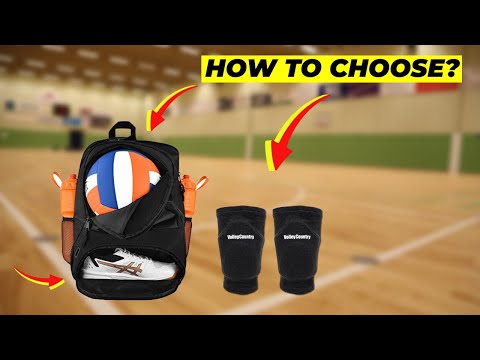
Three short videos: how to choose shoes, socks, knee pads and a ball; three things beginners shouldn't buy; and what you need for beach volleyball.


Frequently asked questions
Can you wear jewelry in volleyball?
Under FIVB rules, players may not wear objects that could cause injury, so referees usually ask for jewelry to come off or be taped. When in doubt, take it off or ask the referee.
Accessories: Resistance Bands & Warm-Up · Tape & Cold Packs · Clothing & Kit Bag