Agility Ladder
Quick-feet patterns that carry over to passing, blocking and approach footwork.
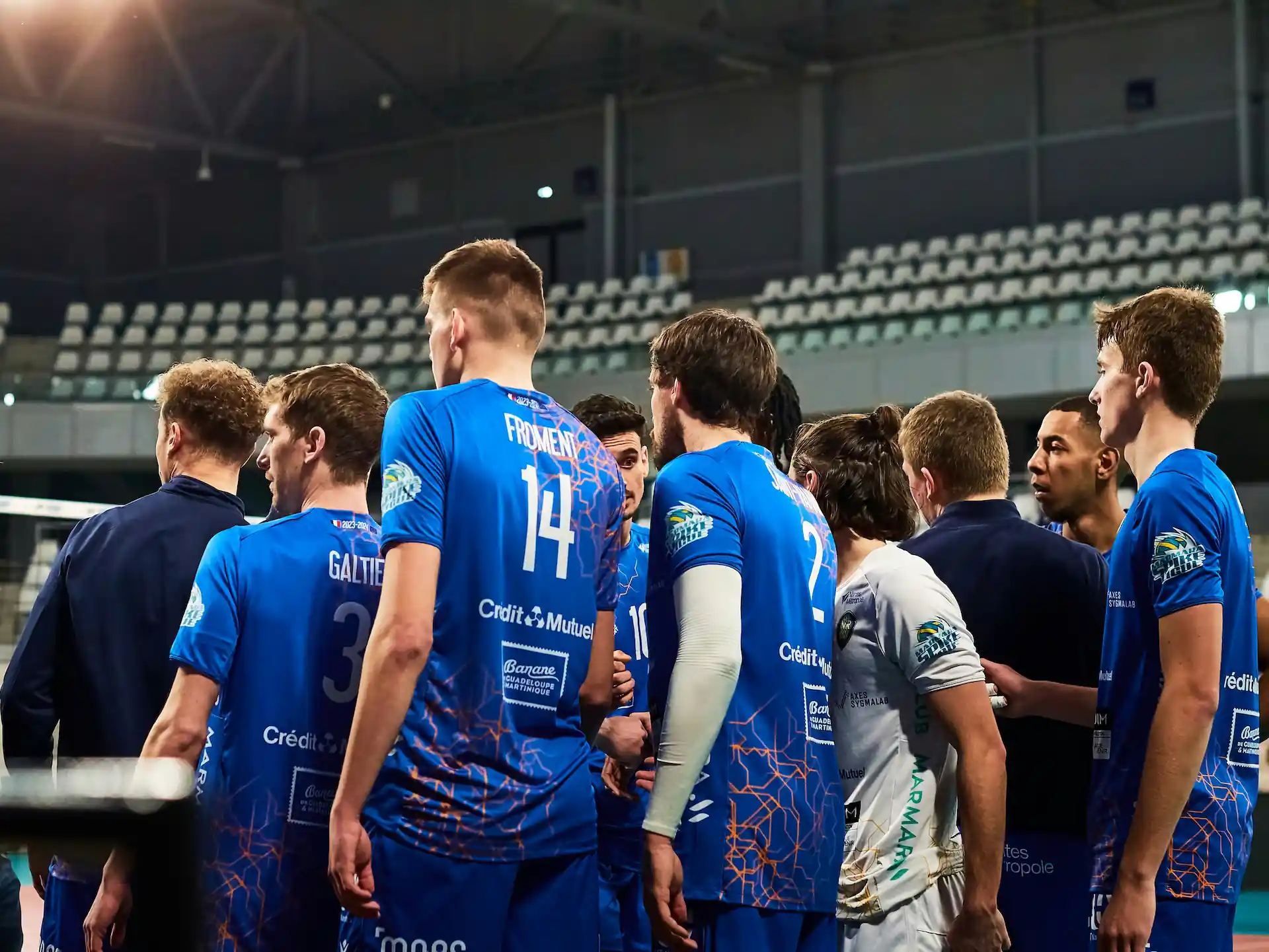
Volleyball conditioning should look like volleyball: short, fast bursts of movement, quick changes of direction and jumps, followed by short rests. Long, slow runs don't match these demands. Use quick-feet drills like the agility ladder, footwork along the net and repeated approaches, and always do them after a proper warm-up and before players are exhausted.
| Goal | Drill | Players | Level | Time |
|---|---|---|---|---|
| Quick feet and rhythm | Agility Ladder | 1–12 | Beginner–intermediate | 10–15 min |
| Side-to-side speed along the net | Blocking Footwork | 1–9 | Beginner–intermediate | 10–15 min |
| Jump endurance (count the jumps) | Approach Footwork | 1 or more | Beginner–intermediate | 10–15 min |
Quick-feet patterns that carry over to passing, blocking and approach footwork.
Shuffle and crossover moves along the net; doubles as lateral conditioning.
Repeated approaches build jump endurance (watch total jumps).
All three drills work with one player; the ladder needs a ladder or floor tape, and the other two need space at a net.
Progress by changing one thing at a time, such as speed, a reaction call or a ball at the finish, and only while every rep stays fast and clean. More reps or shorter rest is not the goal here: when the feet slow down or landings get heavy, end the set. Each drill page suggests a readiness check under “When to progress”; adapt it to your players' age and training background.
Where you can, finish each rep with a pass or a dig from a coach's toss.
Conditioning includes jumps, sprints and quick cuts. Warm up first, use a clean, dry floor, teach soft two-foot landings, and stop if a player feels pain. Do not use conditioning as long punishment. See warm-up, common injuries and plyometrics.
Health note: General information, not medical advice. Young athletes should train under a qualified coach, and anyone with pain or an injury should see a doctor or physical therapist.
Video: Sarah Pavan Volleyball on YouTube. Learn Volley is not affiliated with this channel.
They help with foot speed and rhythm, especially for beginners. They work best when paired with a volleyball movement right after, like a pass or a shuffle.
Yes, in short, game-like doses. Keep it fun, avoid long punishment runs and focus on good movement.
