This guide helps indoor players choose volleyball knee pads. Knee pads protect your knees when you dig, dive or slide on a hard indoor court, and most beginners should wear them. Size them by measuring around the middle of your knee, not by age, and choose thicker, longer pads if you play defense and spend a lot of time on the floor.
Advertisement disclosure: This guide includes Amazon affiliate links. If you buy through them, we may earn a commission that helps support Learn Volley. As an Amazon Associate I earn from qualifying purchases. We have not personally tested these products; our comparisons use manufacturer information and published sources. Links open Amazon.com; Amazon may offer your local store, and price, stock and sizes can differ by store. How advertising and affiliate links work on Learn Volley.
Our picks with Amazon links are informed by product specifications, Amazon ratings and Amazon’s summaries of customer reviews. How we choose
Health note: General information, not medical advice. Young athletes should train under a qualified coach, and anyone with pain or an injury should see a doctor or physical therapist.
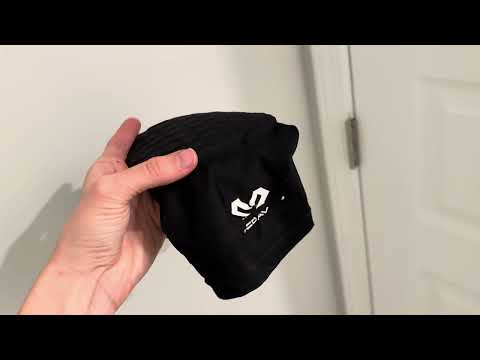
What to watch for: A 2011 review of the LR6 on the channel of Volleyball1on1, which sold these pads, by NCAA champion Ryan Stuntz. It is an older commercial review, not a current independent test.
Video: Volleyball1on1Videos on YouTube. Learn Volley is not affiliated with this channel.
Nike Streak
All levels
Budget
Best for: all-round team players.
What stands out
Contoured foam pad, moisture-wicking sleeve
Paired sizes (XS/S, M/L, XL/2XL); youth version available
Watch out for: paired sizes, and Nike pads run small.
Video: The Ancona Family on YouTube. Learn Volley is not affiliated with this channel.
Under Armour Armour 3 (and Armour 3 Long)
All levels
Budget–Mid-range
Best for: defenders who want more coverage (Long).
What stands out
Dual-density foam, hinged pad shape; the Long version extends further down the shin
Fit, use and care
Measure your knee. Wrap a tape measure around the middle of the knee and use the brand's chart. Many popular pads run small, so if you're between sizes, size up.
Low-profile or thick? Thin, low-profile pads are cooler and move better, which suits front-row players and anyone who wants freedom of movement. Thicker pads cushion more for liberos and defenders who go to the floor a lot.
Sleeve length. Short sleeves suit players who stay upright. Longer sleeves cover more of the shin for sliding defenders.
Fit check. In your low ready position the pad should sit over your kneecap and stay there when you squat and slide, without pinching behind the knee. If it slips down your shin, it's too big or worn out.
When to replace. Once the foam stays flat or the sleeve no longer grips.
Care. Wash gently in cold water and air-dry; heat breaks down foam and elastic. Some brands (e.g. McDavid HEX) allow machine drying, so check the label.
Pads don't replace technique
As you improve, you'll learn to go to the floor by rolling or sliding on your side, forearms and chest instead of dropping onto your kneecaps. Pads protect you while you learn; good technique protects you for good. See Digging.
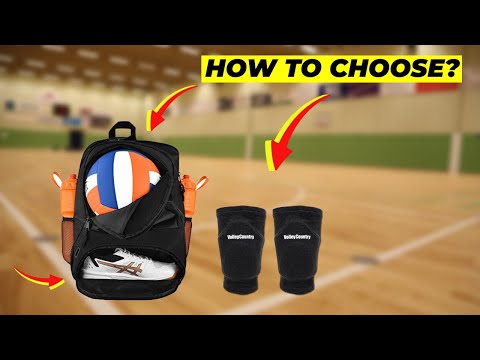
Video: Jiri Popelka | VolleyCountry on YouTube. Learn Volley is not affiliated with this channel.
How we choose and prices
We compare product specifications and, for products with an Amazon link, their Amazon rating and Amazon’s summary of customer reviews to help you choose equipment. We have not personally tested these products.
Last checked: October 2026. Models change every year or two, and older versions are often discounted and still good.
Price: knee pads are one of the cheaper pieces of volleyball gear. Every pick here is Budget, except the Under Armour Armour 3, which runs Budget to Mid-range. Actual prices vary a lot by country and retailer.
How we choose: we compare manufacturer specifications, sizing information and independent reviews, such as the review videos on this page. No brand pays to be listed, and commissions don't decide which products we pick or their order.
Frequently asked questions
Do you need knee pads for volleyball?
Indoors, yes for most players, especially beginners who are still learning to dig and dive. On the beach, players usually don't wear them, because sand is soft.