The best passing drills give players many contacts with a clear target, then slowly add real serves and decisions. Start with partner drills to build a steady platform, move to group drills like butterfly passing to add movement, and finish with serve-receive drills where three passers share the court. The drills below are listed in that order.
- Main target
- Setter target, between zones 2 and 3
- Players
- 2 to 12
- Levels
- Beginner to intermediate
- Key cue
- Feet first, then platform
Pick a drill
| Goal | Drill | Players | Level | Time |
|---|
| A steady platform (new players, warm-up) | Pepper with tossed balls | 2 | Beginner–intermediate | 5–10 min |
| Passing to a target on the move | Butterfly Passing: tosses first, then easy serves | 6–12 | Beginner | 8–12 min |
| Receiving real serves (players who can pass easy serves) | Serve-Receive Triangle with scoring | 5–12 | Intermediate | 12–15 min |
Core passing drills
Partner drill. Two players pass, set and hit to each other to build control.
Small group. Toss or serve, pass to a target, then rotate to the next spot.
Small group. Three passers in zones 1, 6 and 5 receive serves and sort out the seams.
How to choose and progress drills in this group
- Choose by what breaks down. If the platform is unsteady on easy tossed balls, stay with partner work such as Pepper with tossed balls. If passes are fine standing still but fall apart on the move, use Butterfly Passing. If players pass tosses well but not real serves, move to the Serve-Receive Triangle.
- A target every time. A player or a cone at the setter target (between zones 2 and 3, about 1 m off the net) tells passers exactly where the ball should go.
- Lots of contacts. Pairs and small groups give each player many more touches than one long line.
- Change one thing at a time. Go from toss to easy serve to full serve (then tougher serves from the end line), add movement, or add a teammate to share the court, but not all at once.
- Judge the pass, not the touch. A rep counts when the setter can reach the ball comfortably, not just when the ball goes up. Many coaches rate each pass on a 0–3 scale (a coaching convention, not an FIVB rule): 3 = perfect, the setter has every option; 2 = good, some options; 1 = poor, only one option, usually a high set; 0 = no playable pass (an ace, a shank or an overpass). A 2 or 3 counts; track the average.
- Progress when it holds up; step back when it doesn't. Each drill page has a “When to progress” check. Its numbers are practice suggestions, so adjust them to your group.
For technique, see Passing. For how passers line up when the other team serves, see Serve Receive. Zone numbers are explained on Court Zones.
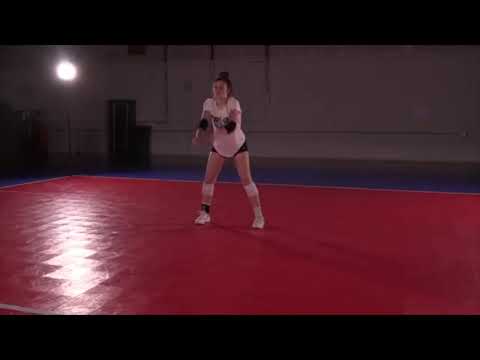
Watch: passing progression drills
Video: Junior Volleyball Association on YouTube. Learn Volley is not affiliated with this channel.
Frequently asked questions
What is the best drill for beginners to learn passing?
Partner passing with gentle tosses is the best start, because each player gets many touches with an easy ball. Once that is steady, move to Butterfly Passing.
Should passers practice against real serves?
Yes, as soon as they can control tossed balls. Real serves teach players to read speed and direction, which tosses cannot do.